Staying Healthy in Wildfire Smoke
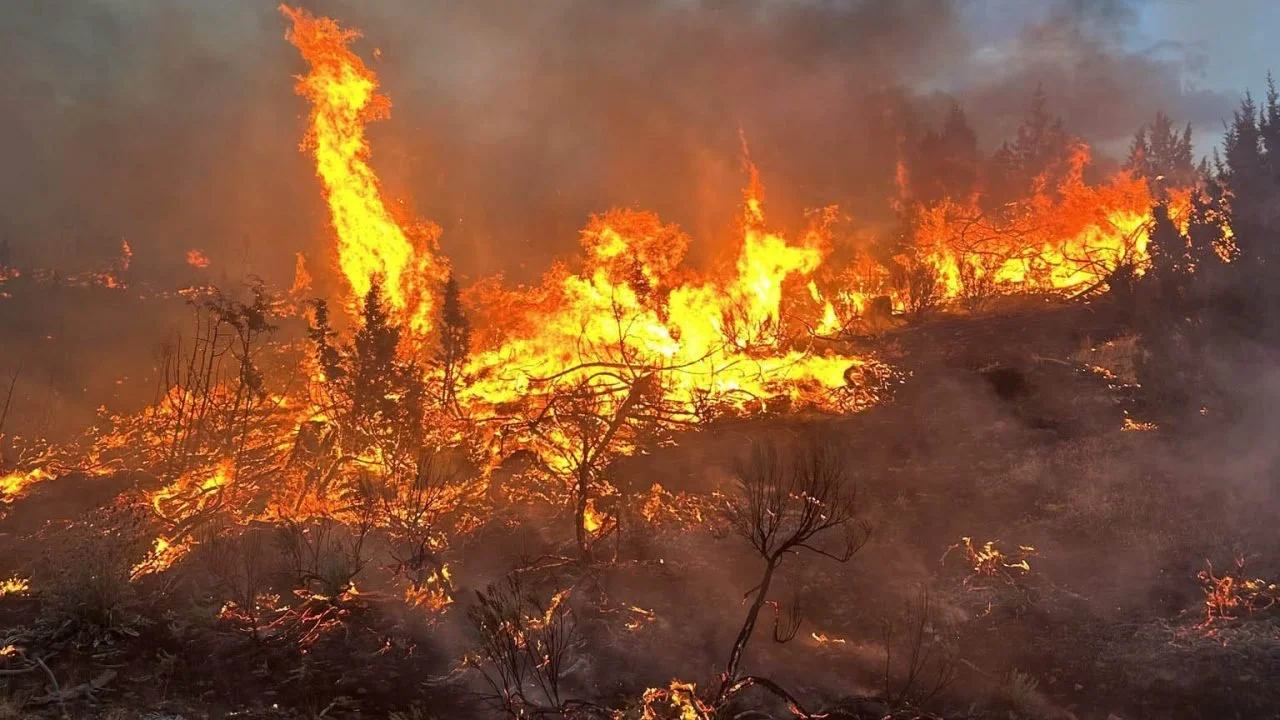
Remains of a burned forest, Oregon. July 2026
Summer 2026 is one of the worst wildfire seasons on record, with fires raging across the world and an unprecedented 2 million acres burned in Oregon alone so far this year, and many fires still raging. Beyond their immediate environmental destruction, the huge plumes of smoke produced by these fires now cover vast swathes of the globe. Breathing in this smoke can cause serious, long term health effects, not only in the lungs but the entire body. Wildfire smoke inhalation can affect the cardiovascular system, fetal development, hormonal health and worsen systemic inflammation.
The increased prevalence of wildfires worldwide is an unfortunate product of a global culture placing value on extracting resources from the environment rather than managing and preserving environmental resources of clean air, water and intact ecologies. Taking care of our planet is the best way to keep everyone living on it healthy, but without policy changes it falls to us as communities and individuals to look after our own health.
This post draws from the Classical Chinese Medical System of the Wuyun Liuqito explore how we can stay healthy during Wildfire Smoke events. This system also can be used to understand and promote large-scale ecological health.
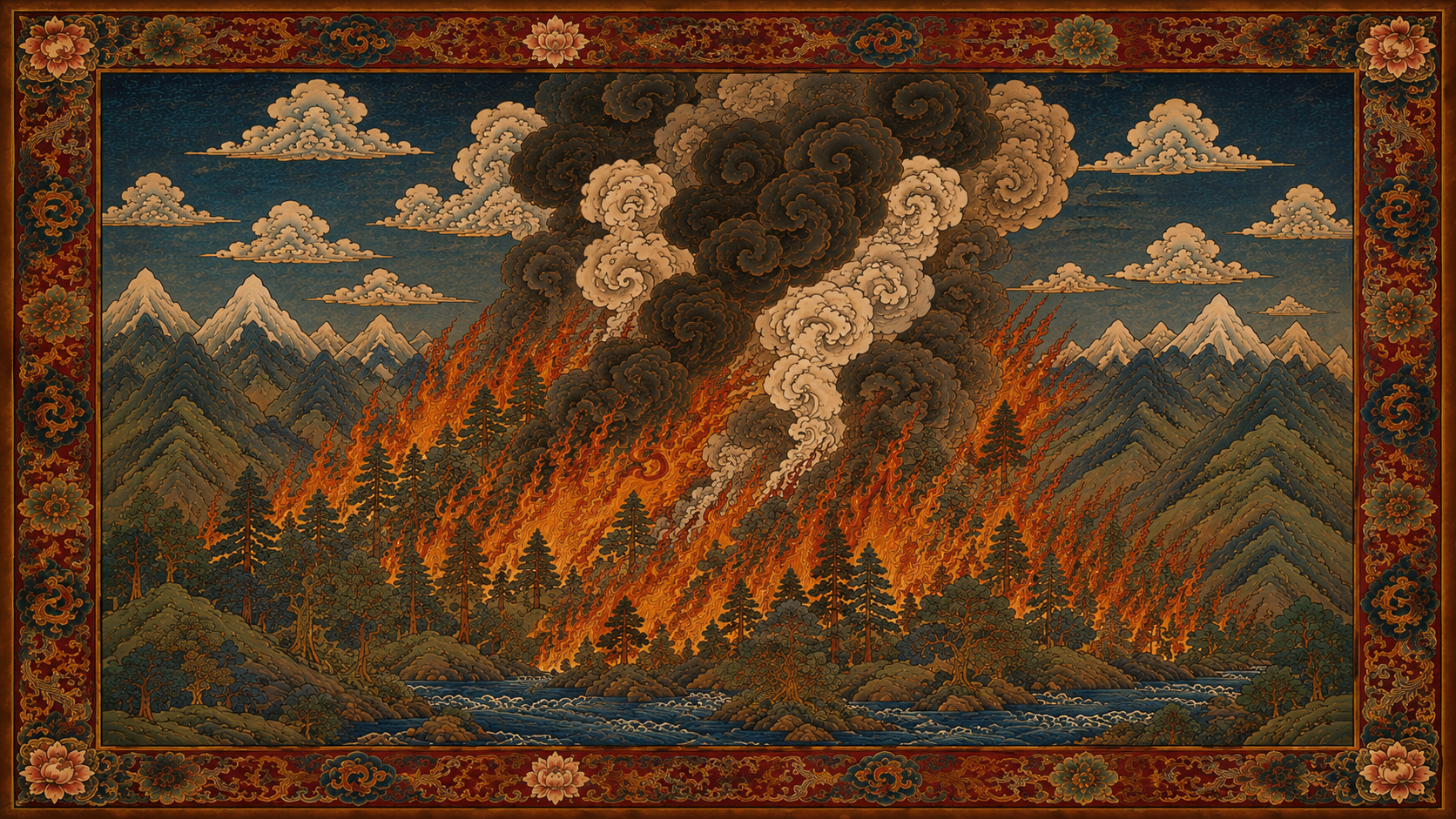
According to the Wuyun Liuqi climate system of Chinese Medicine, the second half of 2026 is considered to be ruled by Excessive Dryness with Heat flaring up during the late-summer months. This lines up with what we are seeing across the globe, as severe heatwaves have sparked wildfires across Europe, North America, in Chile, and South Africa.
Luckily, this Classical Chinese system also offers practical dietary and herbal strategies to promote wellness and preserve health during these extreme climate events and environmental catastrophes.
For example, in Summer 2026, when Heat is flaring in the form of Wildfires and Dryness affects our health through Smoke Inhalation, the foods that are indicated to be most helpful to counter these effects are: Salty, Bitter and “Cold” foods (meaning they cool the body, not necessarily served cold), assisted by Sour and Acrid foods to keep the body hydrated and clears phlegm.
Below is a table of foods and herbs that show how these flavor combinations work in practice - note that the Salty flavor refers to foods that mineral-rich and/or from the ocean, rather than as a seasoning on top of a meal.
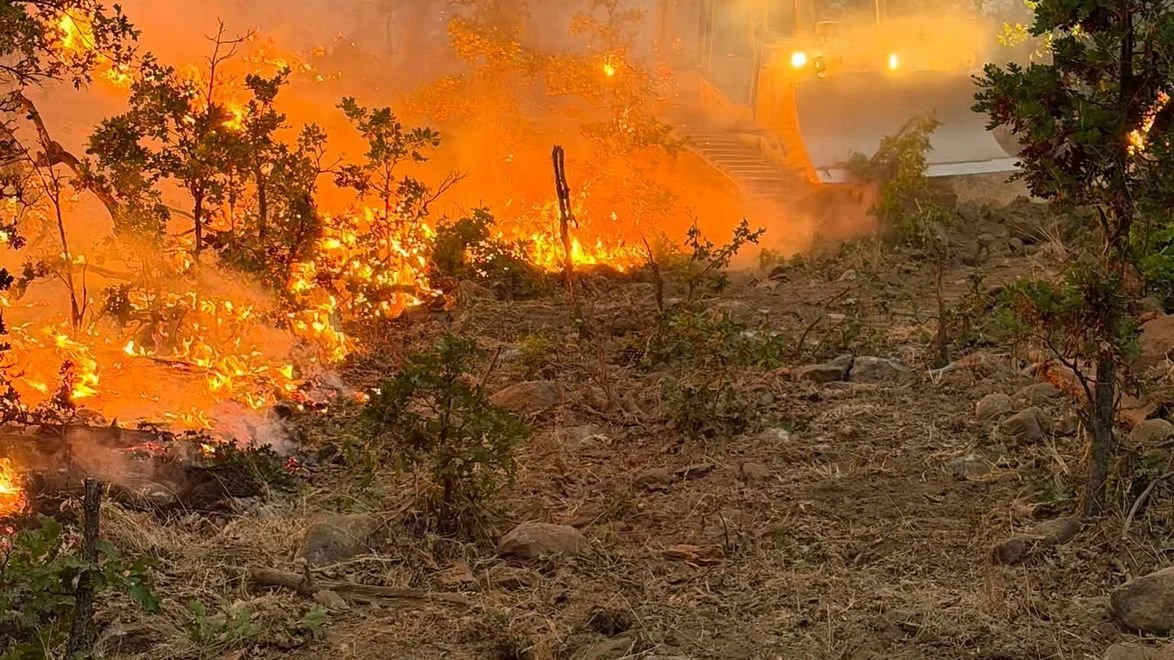
The Grasshopper Fire in Oregon burns on Mt. Hood, August 2026
Wuyun Liuqi Predictive Model for Summer 2026
In the Wuyun Liuqi system, 2026 is predicted to have an especially dry and hot late-summer, which described as “Fire Taking Revenge,” against a mild and wet spring. This leads to “massive heat, [with] blazes that whither and dry the land.” A description that eerily brings to mind the wildfires raging across the west coast.
The health effects of “Fire’s Revenge” are described: People will suffer from fright, spasms, coughing, and nosebleed; they may feel hot, vexed, and agitated. People are “short of qi” ie. shortness of breath, and experience fullness in the chest, abscesses, pallor and aversion to wind.
Mouth sores arise, and a dry, burning throat. This makes people desire to drink large quantities of fluids, which then causes frequent urination. These symptoms line up with the health effects of wildfire smoke exposure.
Health Effects of Wildfire Smoke
This situation of modern Wildfire Smoke exposure is concerning for lung and cardiovascular health, even in otherwise healthy individuals. The long-term effects of wildfire smoke inhalation are not well understood, especially since these plumes of smoke contain plastics, metals and chemicals from burning infrastructure that were not present in smoke plumes historically. This means inhaling modern wildfire smoke is substantially more dangerous than smoke from organic matter alone. While long-term effects of this kind of smoke are not well-studied, but we do know that smoke exposure in general leads to long-term effects on lung and cardiovascular health, can affect the development of embryos, and also takes a serious toll on the psychological health of individuals and communities exposed to extreme smoke events.
All of this raises an urgent question: how can we keep ourselves and our families healthy during days of smoke exposure?
The first and most important consideration is clean air - and this raises the issue of access. For those who can afford it, have well-sealed homes & workspaces and do not work outdoors, air purifiers that are graded to scrub PM2.5 particles are important during wildfire smoke events, because PM2.5 particles can enter the blood stream, and also cause chronic lung inflammation that leads to hardening of the blood vessels and impaired circulation, damaging cardiovascular health.
In Chinese Medicine, it is said that the Lungs “Govern Movement in the 100 Vessels” meaning it is the function of the Lungs to keep blood and qi moving through all the vessels of the body. When the Lungs are impaired, this necessarily leads to systemic damage, so protecting our Lungs is an essential part of overall health.
Many of us do not have the option to avoid breathing in wildfire smoke. When smoke is unavoidable, the herbal recommendations above and the recipes below are good steps to take in maintaining personal health during smoke events.
Be well, take care of each other, and work to keep all living things on Earth healthy.
Recipes
Seaweed Salad Recipe:
Ingredients
Handful of dried seaweed, enough for 2 cups when rehydrated
1 tablespoon rice vinegar
2 teaspoons sesame oil
1/4 teaspoon salt
1/4 teaspoon sugar
2 teaspoons toasted sesame seeds
Directions
To rehydrate seaweed, place seaweed in a large bowl filled with water. Let soak for 10 to 15 minutes, or until seaweed is supple. Working by handfuls, squeeze seaweed of residual water.
Place seaweed on cutting board and chop into rough 1/2-inch slices. Dress seaweed in vinegar, oil, salt, and sugar. Adjust seasonings to taste, depending on how tangy you like your seaweed. Sprinkle with sesame seeds and serve cold or at room temperature. Leftover seaweed may be kept in refrigerator for up to 4 days.
Bitter Melon Recipe:
Ingredients
1 medium sized bitter melon (~1/2 lb or 225g)
2 fresh chili peppers 1
2 to 3 garlic cloves
1/2 teaspoon + 1/4 teaspoon kosher salt (use half the amount for table salt)
1/2 teaspoon sugar
1 tablespoon sesame oil
Directions
Thoroughly wash the bitter melon. Remove the two ends. Cut it in half and scoop out the seeds with a spoon or huller. Then cut each bitter melon half into super thin slices (the thinner the better). Add 1/2 teaspoon of kosher salt (or 1/4 teaspoon of table salt) to the sliced bitter melon, and mix well. Let sit for 20 to 30 minutes to marinate. This allows more bitter water to come out.
While waiting for the bitter melon to release liquid, prepare all the other ingredients. Peel and mince the garlic cloves. Chop the fresh chili peppers into thin strips or slices. When there are 5 minutes left for the marinating of the bitter melon, heat a pot of water in a small sauce pan.
When the bitter melon is done marinating, there should be plenty liquid in the bowl. Use the bitter melon to form a ball using both palms, squeezing out all the liquid from marinated bitter melon. Rinse a few times afterwards. If not pressed for time, squeeze water from the bitter melon one more time after rinsing. This should further reduce bitterness.
When the water boils, add all the sliced bitter melon and a few drops of vegetable oil. With the lid open, blanch for 1 minute. Take the bitter melon out immediately after 1 minute and rinse under cold water. Drain well.
Add the minced garlic, sliced fresh chili, 1/4 teaspoon of kosher salt (or 1/8 teaspoon of table salt), 1/2 teaspoon of sugar, and 1 tablespoon of sesame oil, and mix well. Transfer to a plate and enjoy!